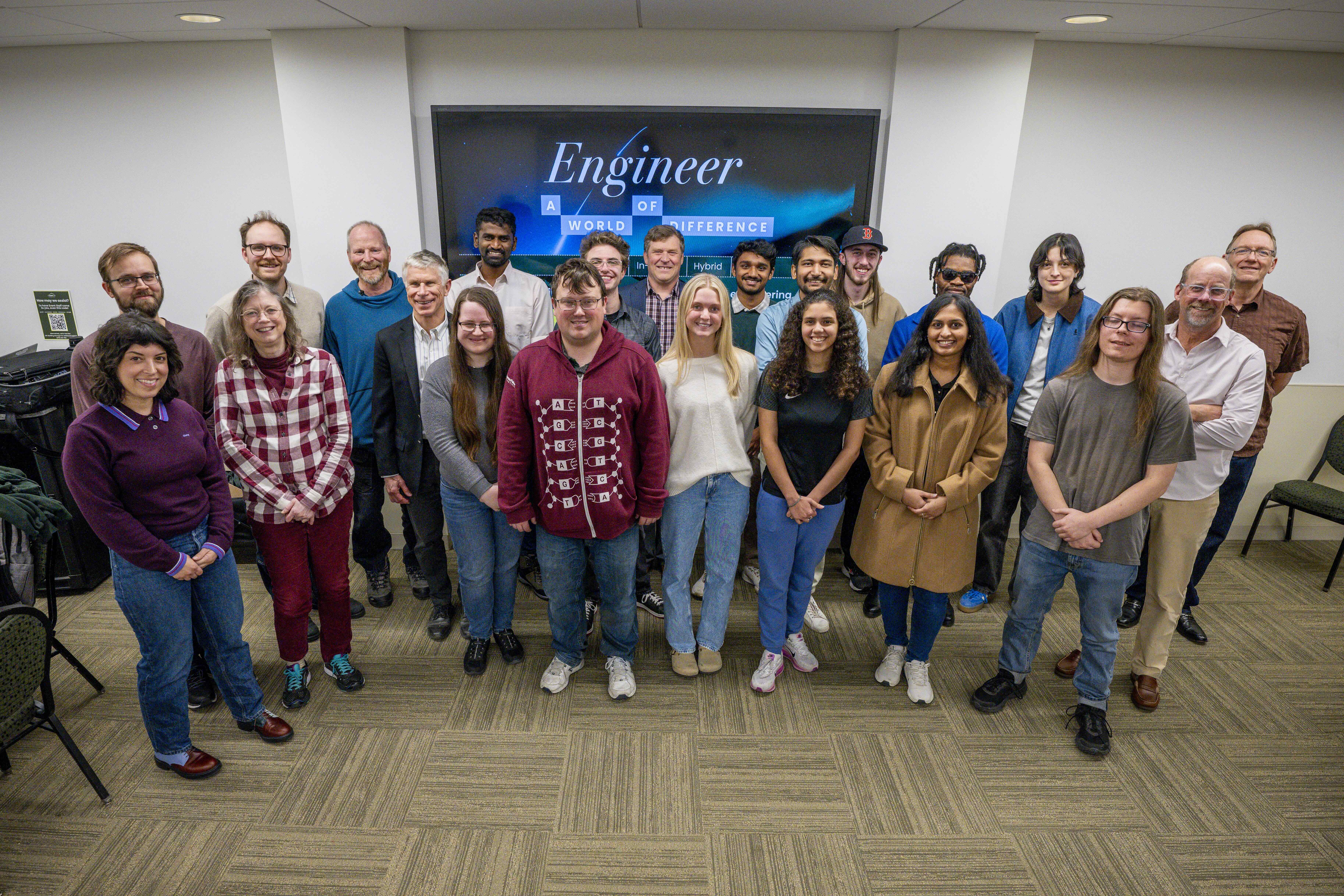

Immersive Innovation: CSU Students Tackle Community Resilience in VR
Innosphere-Sponsored VR Challenge Showcases Data‑Driven Community Resilience Prototypes from Interdisciplinary Teams

.webp)




Five teams of nervous students crowd around tables on the third floor of the Lory Student Center. Equipped with a VR Headset, access to high-performance computers, and ambition, each of the teams prepared to demonstrate their final project for CSU’s VR Challenge. Facilitated by the School of Systems Engineering, and sponsored by Innosphere and OEDIT, the goal of the challenge was to have students, both engineering and non-engineering, learn how to construct virtual reality spaces using modern technology.
“The VR Challenge was designed to give students the chance to create immersive virtual reality experiences around the theme of community resilience.” Associate Professor of Systems Engineering Marie Vans tells me. “Over the course of the challenge, participants developed a wide range of skills, from hands-on VR development and working across disciplines to problem-solving, project management, and applying technology in real-world scenarios. Working on interdisciplinary teams, they were also exposed to the real-world challenges of communication and collaboration.”
Over the last two months, teams have researched, coded, and tested their projects with mentorship and support from VR experts, artists, and programmers. Up for grabs are prizes ranging from $1,000 to $4,000 provided by CSU. Projects were judged upon their design, methodology, execution, and creativity.
“The goal of sponsoring this challenge,” said Innosphere’s Workforce Development Program Manager Brian Johnston, “was to build the Systems Engineering workforce in Colorado. This is an identified labor gap in our region. Additionally, it is an opportunity for participants to explore how VR/AR can be used to solve real-world problems in community resilience as identified by the NSF ASCEND Engine.”
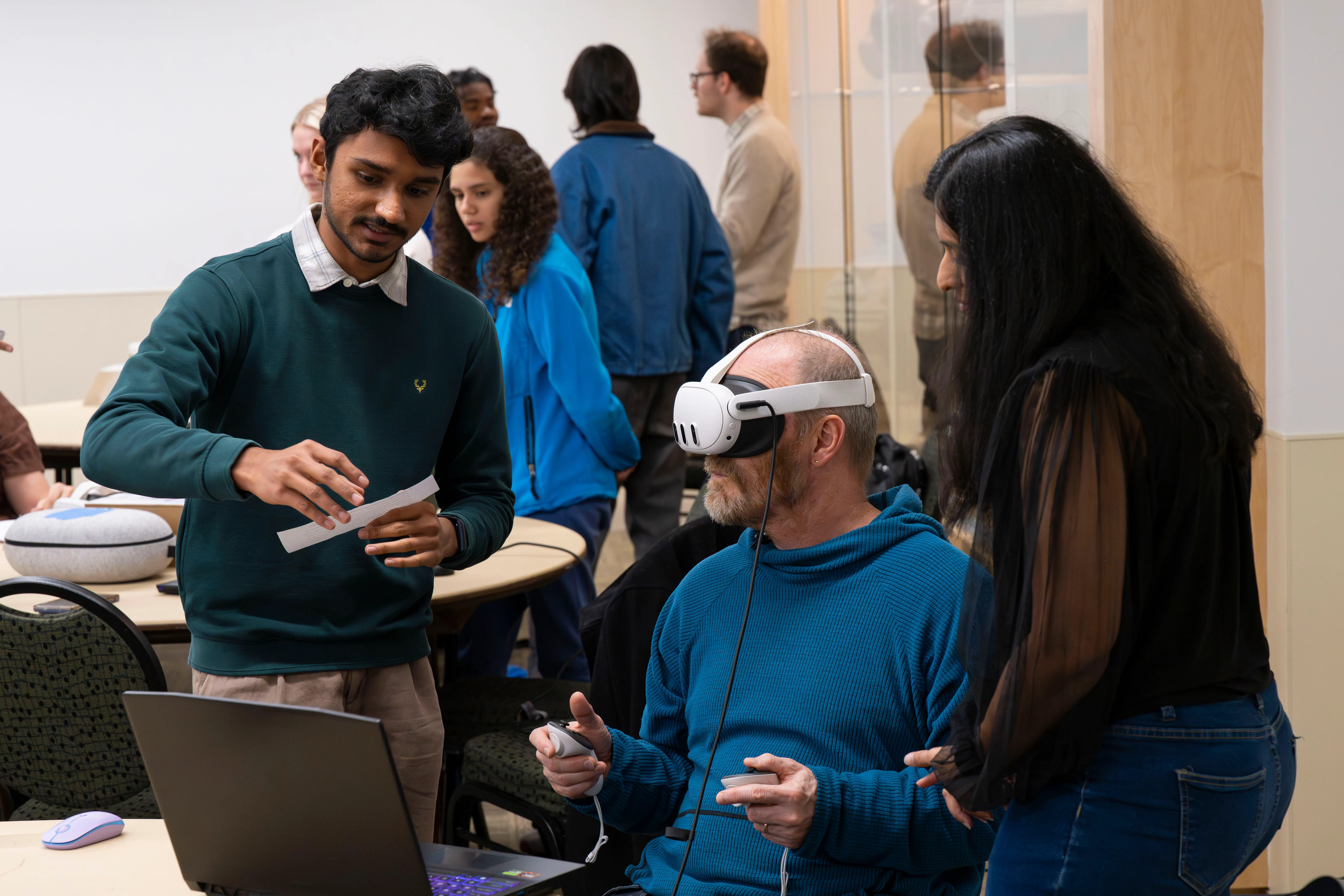
I watch as a team talks a judge through a virtual farmscape. In this scenario, users can test different adaptive strategies to address drought, pests, and more. The scene playing out on the computer is impressive. Simulated crops respond to changes in crop rotation, drip irrigation, and more. Other simulations cover resilient infrastructure and transportation systems, coastal erosion and storm-surge response, or wildfire behavior under varying conditions. All simulations use publicly available data from sources such as NASA or the US Forest Service.
‘VR is, by its very nature, a multidisciplinary field,” Vans says. “The technology has been widely adopted, especially the medical field, and has huge potential to improve everything from education to job training to helping surgeons perform safer surgeries.”
Johnston agrees. “As a judge, I found the projects to be realistic representations of the challenges participants will face in the future. Utilizing unfamiliar tools and subject matter with a cross disciplinary team yielded a wide variety of approaches and results. With minimal guidance and no “right answer” the projects were all unique and intriguing.”
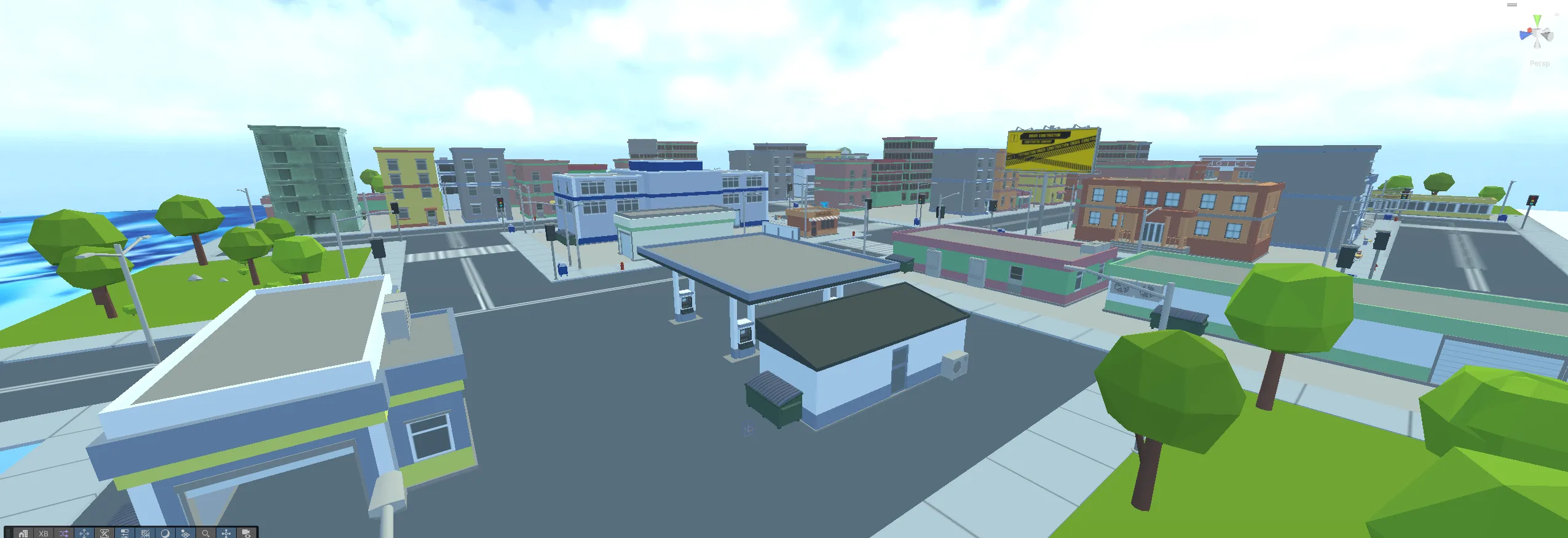
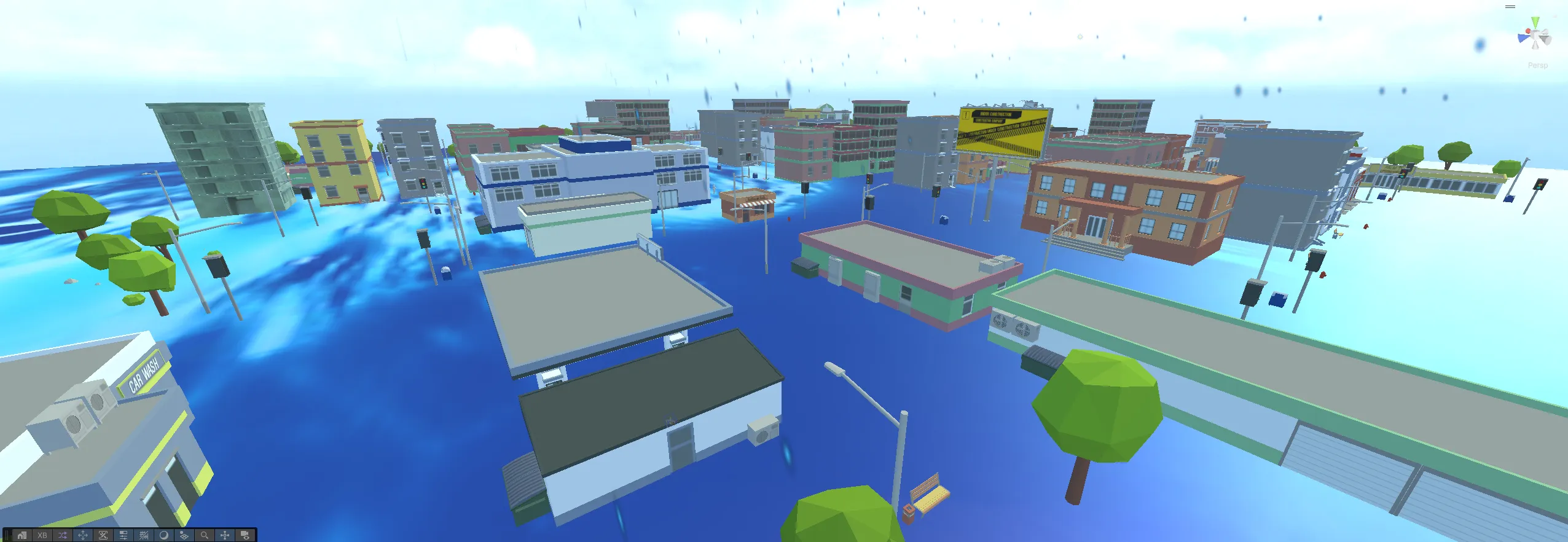
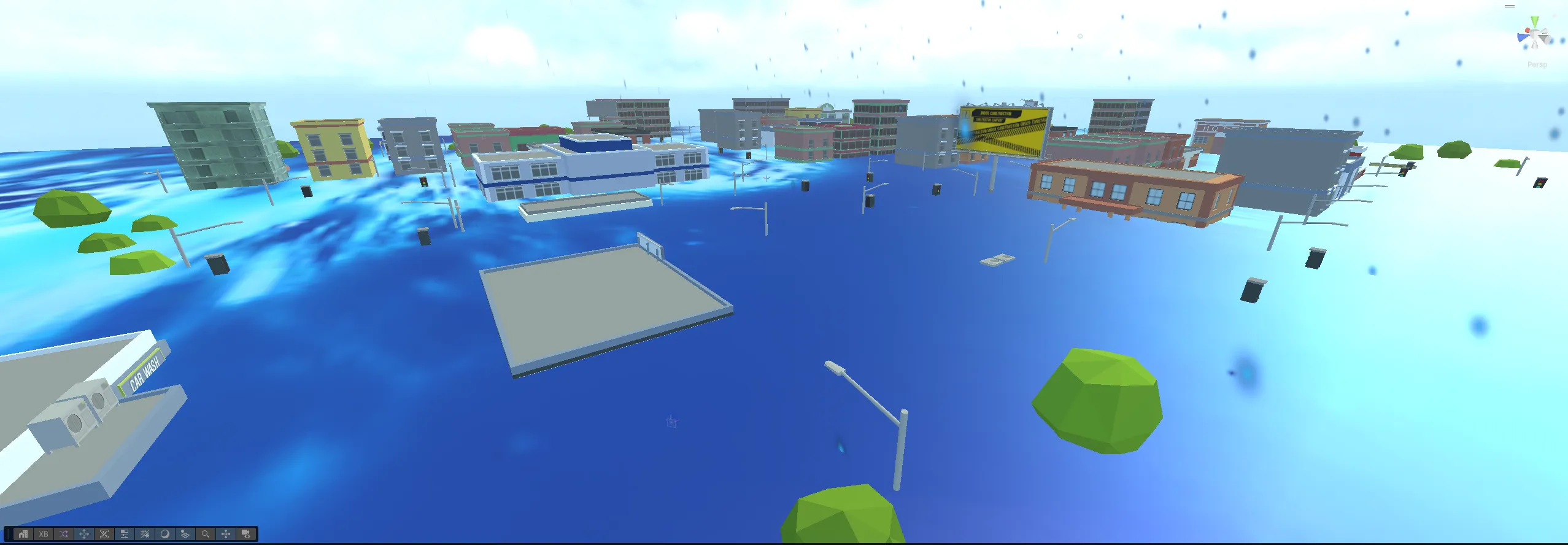
The participants reflect VR’s diverse appeal, most have little to no experience in Unity or VR coding and come from all levels of and diciplines. I speak to students from undergraduate to PhD who are studying everything from civil and biomedical engineering to theatre and design. One participant, pursuing a PhD in Microbiology, is interested in using VR as a way to visualize how cancer spreads. Another is excited to see its potential application in design.
“The value of these events is that they offer hands-on opportunities for participants to replicate the Systems Engineering challenges they will face in the workplace,' said Johnston. "This is an invaluable experience and demonstrates to future employers that they can thrive outside the academic environment. Many of the students are hired directly by industry as a result.”
The VR Challenge is just one of many opportunities available for students at CSU. Engineering students can participate in the annual cyber-security coding challenges of CyberTruck and CyberTractor. Students across the university can participate in the Urban Design Challenge and the VR Challenge.
“Previous challenges at CSU have shown how impactful this experience can be but in our case, rather than a 36 hour hack-a-thon, students had 8 weeks and this led to more usable prototypes that balance creativity with practical solutions,” said Vans. “Based on judging feedback, this year felt especially successful.”